
Sleep Apnea Risks
You might think your loud snoring, restless nights, or daytime exhaustion are just annoying sleep problems. Sleep apnea is more than that. Repeated disruption can affect far more than how tired you feel the next morning. Untreated sleep apnea has been linked to high blood
pressure, heart disease, stroke, diabetes, mood changes, and other serious health concerns.
If you suspect you have sleep apnea, you don’t have to guess how serious it is or simply put up with the symptoms. A proper evaluation can determine what’s happening while you sleep and help you find the right treatment.
What Happens to Your Body During Sleep Apnea?
You might not wake up every time you stop breathing, but your body knows what’s happening. During an episode of obstructive sleep apnea, your airway becomes blocked and your airflow drops or stops. Your oxygen level can drop, and your brain kicks in to help you breathe again. You may briefly wake up, take a breath, and fall right back asleep. Then it can happen again. And again.
Those interruptions can happen many times in a single night. Even if you don’t remember them, they keep you from getting the uninterrupted sleep your body needs and force your heart and other systems to respond repeatedly.
Not sure whether your symptoms could point to sleep apnea?
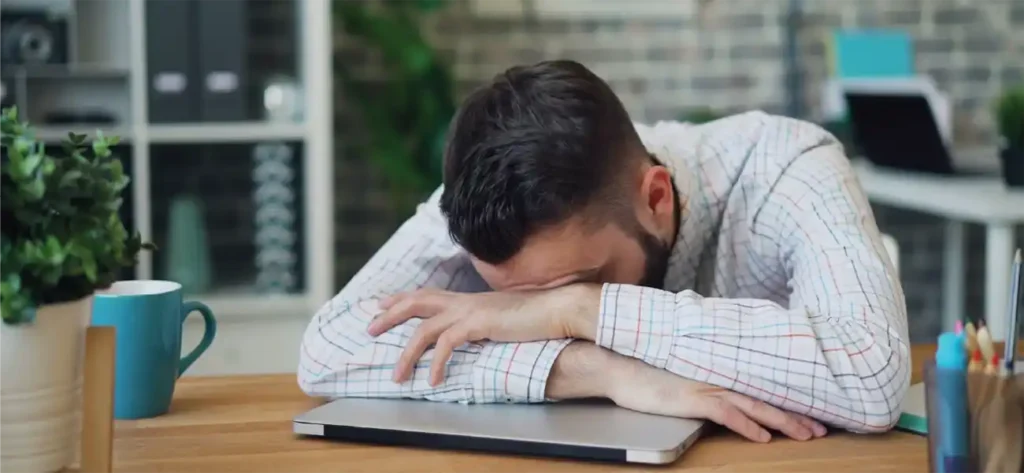
Health Risks of Untreated Sleep Apnea
When sleep apnea repeatedly interrupts your breathing, your body has to respond over and over again. Over time, those repeated disruptions can affect your cardiovascular health, blood sugar, mood, alertness, and ability to concentrate.
● High blood pressure
● Heart disease
● Stroke
● Type 2 diabetes
● Depression and anxiety/mood changes
● Daytime fatigue and accident risk
● Cognitive/concentration problems
Is Sleep Apnea Really Dangerous?
Untreated sleep apnea can have serious health consequences. But that doesn’t mean everyone who snores or feels tired has developed a related health condition. The important thing is finding out whether you actually have sleep apnea and, if you do, how severe it is. If you suspect sleep apnea, don’t rely on snoring alone to diagnose it. Talk with a qualified provider and consider a sleep study. An at-home sleep study can help determine whether you’re experiencing sleep apnea and provide information about its severity. Think you might have sleep apnea? An at-home sleep study can give you answers without spending the night in a sleep lab.
Childhood Sleep Apnea: What Parents Should Know
Sleep apnea can affect children, too, and untreated OSA can have consequences beyond a restless night. Repeated breathing interruptions can deprive a child of quality sleep and affect areas of health and development that matter every day. Potential risks include:
● Problems with attention and concentration
● Behavior and mood changes
● Difficulty learning and performing at school
● Problems with growth and development
● Daytime fatigue and irritability
● Cardiovascular and metabolic effects
Don't Ignore the Signs of Sleep Apnea
You shouldn’t have to wonder whether your snoring, disrupted sleep, or daytime exhaustion is putting your health at risk. If you recognize the signs of sleep apnea, getting evaluated is a simple first step toward getting answers.
Schedule an at-home sleep study to find out whether sleep apnea is affecting your sleep, or request an appointment to discuss your symptoms with our team.